
The air smells of salt, of twisted metal, and a despair so dense it barely allows one to breathe. The memory of the storm—the one we call Hurricane Maria here—is not just a recollection; it is a deep scar on Puerto Rico’s soul, and an echo that now, with terrifying clarity, resonates from the shores of Jamaica.
Years ago, I found myself standing in the darkness. The
only thread of light and voice in a paralyzed country. I captured those nights
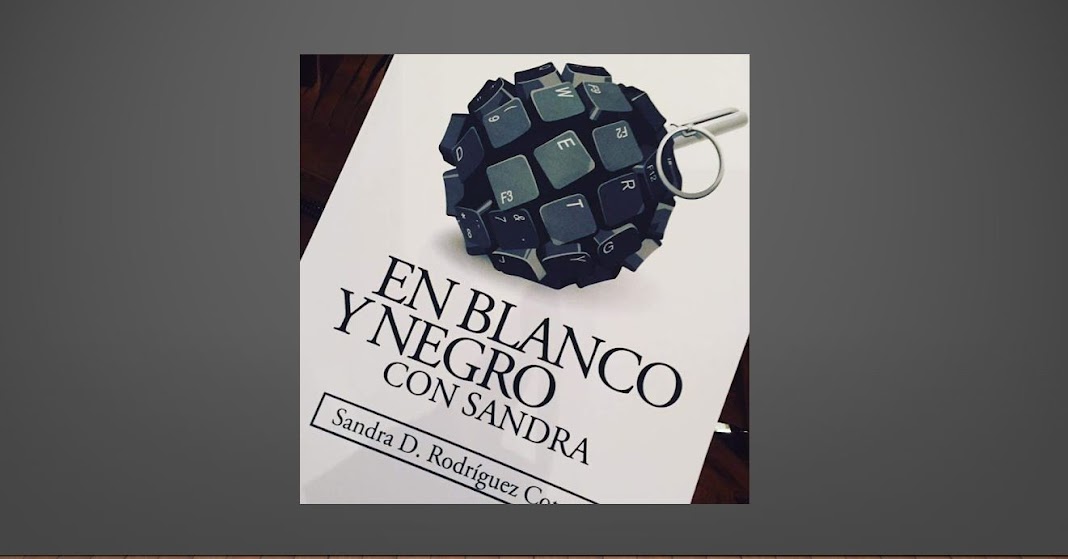
of life and death on the microphone in my 2018 book, "Bitácora
de una transmisión radial" (Logbook of a Radio Broadcast). It was
not an act of heroism, but a moral obligation dictated by my heart:
to be the last beacon in the night for thousands. Every transcription was a
scream of desperation, a plea, a whisper of life. And sometimes, as I well
remember, my voice would break, choking on the impotence of being unable to
give more than words to those who needed everything.
I wept in the shadows of the radio booth, not out of
personal fear, but out of rage at seeing how misery became an opportunity for
the corrupt. I remember the slap of the official lies, the death tolls that
danced between shamelessness and cynicism, while we, the journalists, knew the
truth lay buried beneath thousands of pieces of debris and uncounted bodies.
They said 4,645, and eventually, the final figure settled on 3,000 souls.
A slow-motion catastrophe.
And today, as we in Puerto Rico turned the lights back on and count our blessings, my thoughts sink into the heart of Jamaica. Melissa, yet another force of nature with a woman's name, has passed, leaving behind an incomprehensible trail of destruction. She is now heading toward southeastern Cuba, a country that has also marked my life and career as a journalist.
My friend Rubén asked me from Boston: "I wonder if
tonight there is a Sandra Rodriguez Cotto broadcasting solace and information
over the radio in Jamaica..."
The question pierces me like a frozen splinter. I do not
doubt there are others—anonymous radio heroes with dry throats and their hearts
in their hands. But, will they survive that monster?
I imagine the fear, the desolation. The desperation
for news of loved ones. Will they be cold? Hungry? I think of our elderly, our
children, trapped by the brush and broken roads. That unimaginable need, that
abyss of having no water, no voice. That is what they are living now in Jamaica
and Cuba. And only days ago, the same terror struck the southwestern Dominican
Republic and Haiti.
And this is where the sacred importance of the press
in moments of emergency resides: not just to inform about the storm's
path, but to be the umbilical cord that connects life. The voice that
demands accountability from power, that audits the aid, that does not allow
corruption to feed on others’ pain. It is the duty to let your voice
break so that help arrives, to shout the truth, even when the world is in
darkness.
It is precisely from this deep, shared wound that the call
for solidarity from Puerto Rico emerges. We cannot stand idle before this
echo of our own tragedy. The only way to honor what we lived through with Maria
is to remember in order to act.
Every Puerto Rican who experienced the despair of silence,
who tasted the canned rations, or felt the agony of the gas lines, knows
exactly what a Jamaican mother is feeling tonight. That emotional connection is
not just sadness; it is an engine of empathy that must turn our
memory into a call: your past pain is the bridge to understanding and
alleviating their present pain.
For a journalist like me, the role is now twofold: to be
a beacon of conscience and a voice for those who have been silenced.
From the booth or the keyboard, we must report on the critical situation in
Jamaica while simultaneously scrutinizing the global response. Is aid
reaching them? Is there transparency? My platform must not be limited to
recounting; it must give voice to Jamaica’s desperation, demanding that
their agony not become a forgotten footnote of international indifference. We
must act with intention: channel aid through credible organizations,
donate what we know was truly needed here (water filters, batteries, first aid
kits), and above all, honor their struggle by emphasizing their
resilience. They are not victims; they are survivors who, like us, will rise
from the ruins.
May my "Logbook" not just be
Puerto Rico’s history, but the manual for survival and the call to action for
all those who, in the darkest night, need to know they are not alone. The
Caribbean is one single heart beating in the same sea, and now, that heart
weeps for Jamaica.


No comments:
Post a Comment