
The air smells of salt, of twisted metal, and a despair so dense it barely allows one to breathe. The memory of the storm—the one we call Hurricane Maria here—is not just a recollection; it is a deep scar on Puerto Rico’s soul, and an echo that now, with terrifying clarity, resonates from the shores of Jamaica.
Years ago, I found myself standing in the darkness. The
only thread of light and voice in a paralyzed country. I captured those nights
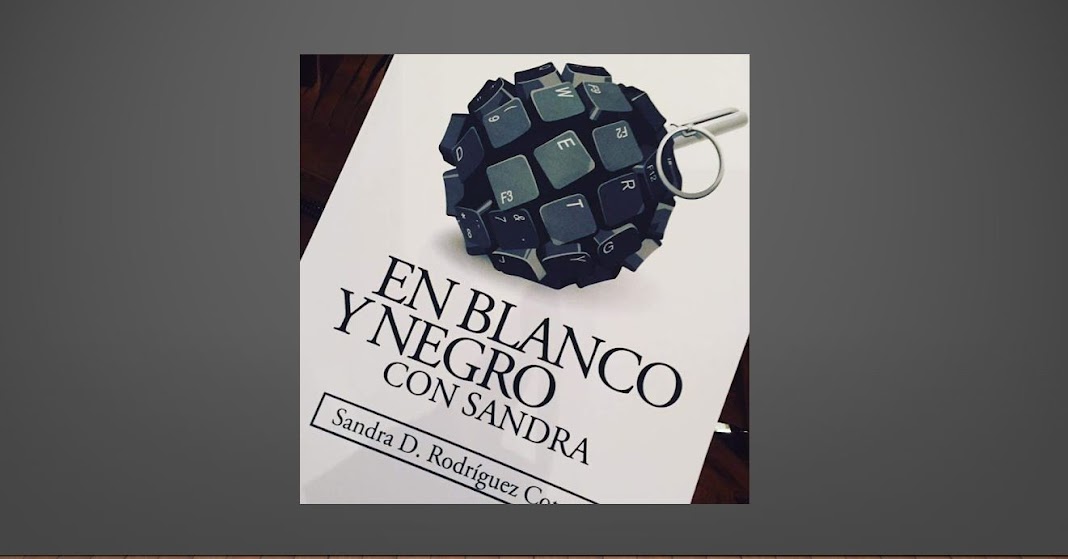
of life and death on the microphone in my 2018 book, "Bitácora
de una transmisión radial" (Logbook of a Radio Broadcast). It was
not an act of heroism, but a moral obligation dictated by my heart:
to be the last beacon in the night for thousands. Every transcription was a
scream of desperation, a plea, a whisper of life. And sometimes, as I well
remember, my voice would break, choking on the impotence of being unable to
give more than words to those who needed everything.
I wept in the shadows of the radio booth, not out of
personal fear, but out of rage at seeing how misery became an opportunity for
the corrupt. I remember the slap of the official lies, the death tolls that
danced between shamelessness and cynicism, while we, the journalists, knew the
truth lay buried beneath thousands of pieces of debris and uncounted bodies.
They said 4,645, and eventually, the final figure settled on 3,000 souls.
A slow-motion catastrophe.
And today, as we in Puerto Rico turned the lights back on and count our blessings, my thoughts sink into the heart of Jamaica. Melissa, yet another force of nature with a woman's name, has passed, leaving behind an incomprehensible trail of destruction. She is now heading toward southeastern Cuba, a country that has also marked my life and career as a journalist.


